5 Easy Ways to Encourage Gross Motor Skills for Every Toddler
Helping a child build their gross motor skills is an important part of toddler development, especially for children with disabilities or developmental delays. At RISE Pediatric Therapies in Arizona, we know that parents and caregivers want the best for their children, and creating an environment supportive of motor growth can make a big difference. Here are evidence-based, practical tips on how to nurture your child’s gross motor skills to encourage a fun, supportive path to movement.
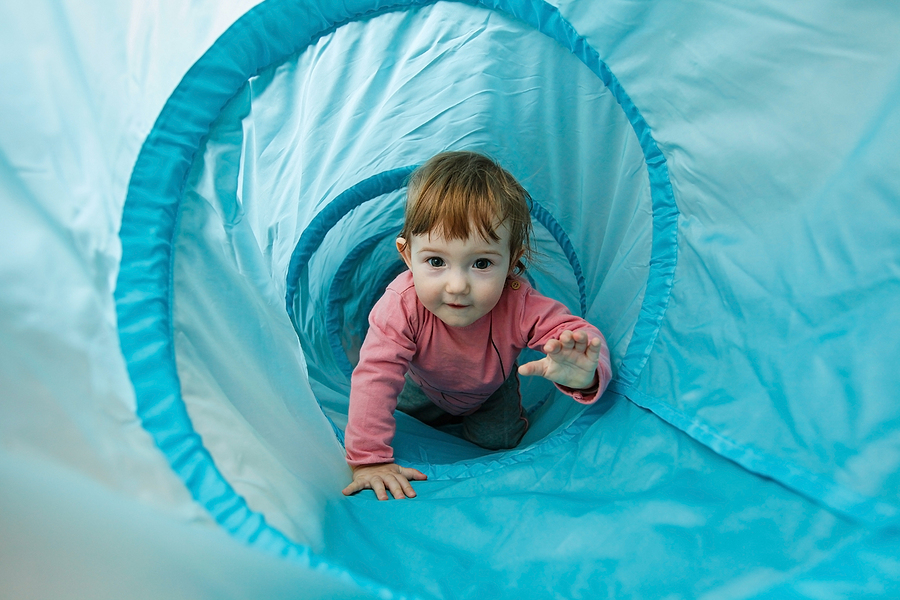
Why Gross Motor Skills Matter in Toddler Development
Gross motor skills involve the use of large muscle groups for activities like walking, climbing, running, and jumping. Developing these abilities helps toddlers build confidence, improve coordination, and participate in daily activities with increasing independence. For children experiencing developmental delays, consistent opportunities and positive encouragement are especially important. Early intervention services can be helpful if you have concerns about your child’s progress.
Practical Ways to Support Gross Motor Development
So, how can you support your toddler’s gross motor skill development?
1. Make Movement Part of Everyday Life
Integrating movement into daily routines encourages children to practice gross motor skills naturally. Invite your child to walk or crawl to different rooms, help with simple chores, or dance together to a favorite song. Setting up obstacle courses with safe objects like pillows or boxes adds fun and purposeful movement opportunities throughout the day.
2. Encourage Safe Climbing and Exploring
Many toddlers are eager to climb and explore. Provide safe climbing options, like a low step stool, couch cushions, or playground equipment, and supervise your child as they learn to balance, step, and jump. These experiences help children strengthen muscles and understand how their bodies move in space.
3. Focus on Play-Based Learning
Children learn best through play! Offer a variety of toys and items that encourage pushing, pulling, tossing, or carrying. Activities like rolling a ball, marching, or building a tunnel with chairs and blankets help build coordination and balance. Join your child in these activities to model movements and make learning interactive.
4. Outdoor Time Matters
Spending time outside is valuable. Fresh air and open spaces invite children to run, jump, climb, and balance. Parks and playgrounds offer diverse surfaces and structures that challenge and develop gross motor skills in new ways.
5. Celebrate Progress
Every step forward counts. Celebrate your child’s milestones and efforts, whether it’s climbing to the top of the slide or jumping for the first time. Positive reinforcement builds self-esteem and encourages your child to keep trying new things.
When to Seek Additional Support
If you have concerns about your child’s movement patterns or motor progress, early intervention services can help. If you live in Mesa, Tucson, Surprise, or the surrounding area, our team at RISE Pediatric Therapies is here to support you and your child with experienced therapists and tailored strategies. Contact us today to learn more about our supports!